
 info@gbtest.cn


 es
es en
en ru
ru ar
ar


En el envasado farmacéutico, un fallo en la prueba es un fallo en la seguridad del paciente
Un blíster que deja entrar una fracción más de humedad de la especificada puede degradar un API higroscópico antes de su fecha de caducidad. Un sello que es débil en una esquina puede comprometer la esterilidad. Una tapa que no alcanza el par de torsión necesario puede incumplir un requisito de seguridad infantil. Ninguno de estos problemas es visible en una inspección de línea; surgen más tarde, como un resultado de estabilidad fuera de especificación, una auditoría fallida o una queja de campo. Probar el envase antes de que se libere el lote es lo que se interpone entre un resultado de laboratorio y una retirada del mercado.
Ingreso de humedad y oxígeno
El fallo de la barrera en envases tipo blíster o sobre acelera la degradación del API y puede acortar la vida útil por debajo de lo indicado en la etiqueta.
Fallo de sellado y cierre del envase
Un sello comprometido en un blíster, bolsa o vial conlleva el riesgo de ingreso microbiano y pérdida de la integridad del cierre del envase a lo largo de la cadena de suministro.
Requisitos reglamentarios y de auditoría
Las presentaciones reglamentarias y las auditorías de clientes requieren cada vez más datos de prueba documentados conforme a los métodos ASTM, ISO 11607 y USP antes de que se apruebe el envase.
Parámetros de prueba principales para envases farmacéuticos
Estos parámetros cubren la mayoría de los requisitos de especificación en blísteres, sobres, botellas, viales y jeringas precargadas utilizados en el envasado farmacéutico.
| Propiedad | Por qué se prueba | Estándares de referencia | Instrumento recomendado |
|---|---|---|---|
| Tasa de transmisión de vapor de agua (WVTR) | Protege los API sensibles a la humedad en blísteres, envases tipo tira y botellas contra la degradación prematura | USP , ASTM F1249 | Analizador de permeabilidad al vapor de agua |
| Tasa de transmisión de oxígeno (OTR) | Determina el riesgo de oxidación para productos farmacéuticos sensibles al oxígeno en envases tipo blíster y bolsa | ASTM D3985 | Analizador de permeabilidad al oxígeno |
| Resistencia al pelado de termosellado / tapas | Confirma que el papel de aluminio para blísteres y los sellos de sobres se mantienen bajo la ventana de sellado real utilizada en línea | ASTM F88, ISO 11607-2 | Termoselladora de laboratorio + Máquina de ensayo de tracción |
| Integridad del sello y del cierre del envase | Detecta poros, fugas en canales y sellos débiles en blísteres, bolsas, botellas y viales antes de su liberación | ASTM F2096, ASTM D3078 | Probador de integridad de sellos |
| Par de torsión de tapa / Cierre resistente a niños | Verifica que el par de aplicación y extracción en las tapas de las botellas cumpla con los requisitos de empaque resistente a niños | ASTM D3475, ISO 8317 | Probador de par de torsión |
| Fuerza de deslizamiento / desprendimiento del émbolo de jeringa | Confirma que el émbolo de la jeringa precargada se mueve dentro del rango de fuerza necesario para una dosificación segura y consistente | Método interno, ISO 7886 | Máquina universal de ensayo de materiales |
| Espesor de película / lámina de blíster | Confirma la consistencia del calibre, que es la base de cualquier otro resultado de barrera y mecánico | ASTM D374 / D751 | Probador de espesor |
Diseñado para cada formato de empaque farmacéutico
El conjunto principal de pruebas sigue siendo similar en todas las categorías; lo que cambia es qué formato y qué estándar espera ver una presentación regulatoria o una auditoría de cliente.
Blísteres y paquetes de tiras
Blísteres de PVC/PVDC y Alu-Alu: la WVTR, la OTR y la resistencia al pelado de la tapa protegen la estabilidad de tabletas y cápsulas.
Sobres y paquetes tipo stick
Sobres de polvo y gránulos: la resistencia del sello y el rendimiento de la barrera impulsan las declaraciones de vida útil.
Botellas y viales
Botellas para tabletas, viales de líquidos y biológicos: el enfoque está en el par de torsión de la tapa, la integridad del cierre del envase y el cumplimiento de CRC.
Jeringas precargadas e inyectables
Jeringas y cartuchos precargados: la fuerza de deslizamiento del émbolo y la integridad del sello confirman una administración segura y constante.
Desde la película cruda hasta el lote liberado: un plan de prueba
Control de calidad de materiales entrantes
Verificaciones de espesor y barrera en películas para blíster, láminas y componentes de cierre antes de la producción.
Calificación de barrera
Pruebas de WVTR/OTR para confirmar que la estructura del empaque cumple con la vida útil objetivo declarada.
Verificación de sellado y cierre
Pruebas de resistencia del termosellado, par de torsión de la tapa y fuerza de deslizamiento de la jeringa durante todo el proceso de producción.
Liberación de lote
Verificaciones de integridad del sello y del cierre del contenedor antes de que el lote sea liberado para su distribución.
Instrumentos con los que comienzan la mayoría de los clientes de empaques farmacéuticos
Un laboratorio de control de calidad de empaques farmacéuticos típico se construye en torno a un probador de barrera, un probador de sellado/CCI y un probador de par de torsión. Juntos cubren la mayoría de los requisitos de especificación y auditoría.
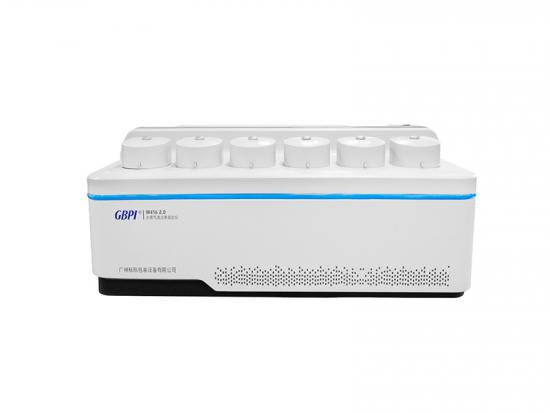
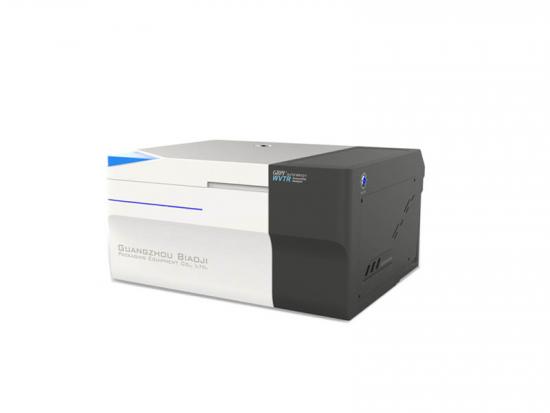
Analizador de permeabilidad al vapor de agua
Mide la WVTR en películas para blíster, laminados de lámina y material de pared de botellas bajo temperatura y humedad controladas.
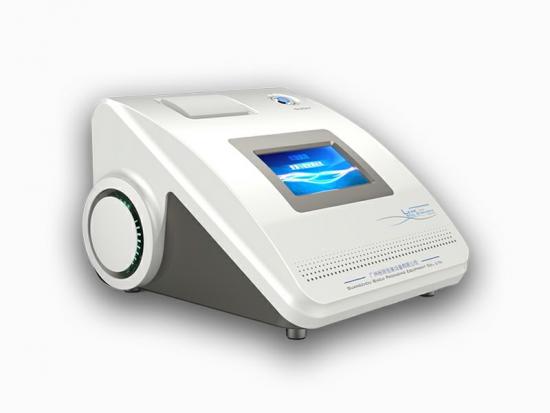
Analizador de permeabilidad al oxígeno
Pruebas de OTR basadas en sensores de culombio para empaques de medicamentos sensibles al oxígeno, incluidos blísteres y bolsas.
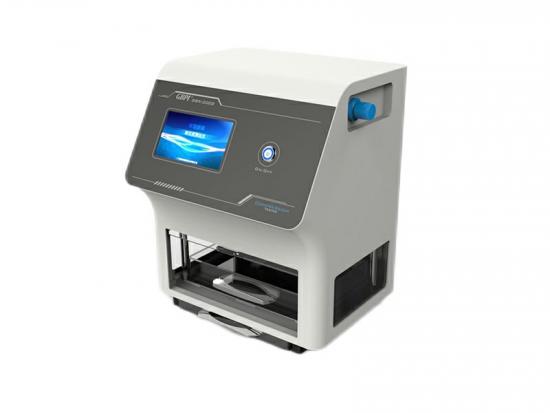
Probador de integridad de sellado
Detección de fugas basada en emisión de burbujas y presión para blísteres, bolsas, botellas y viales antes de la liberación del lote.
Probador de par de torsión de tapas
Mide el par de torsión de aplicación y extracción en tapas de botellas para el cumplimiento de cierres resistentes a niños.
Máquina universal de ensayo de materiales
Realiza pruebas de resistencia a la tracción, al pelado y al sellado, y puede configurarse para comprobaciones de fuerza de deslizamiento/desprendimiento del émbolo de jeringas.
Servicio de pruebas externalizadas
¿Aún no tiene laboratorio o necesita datos de terceros? El laboratorio propio de GBPI ejecuta el panel principal de pruebas de barrera, sellado y cierre, y emite un informe.
Instrumentos referenciados según las normas que solicitan sus clientes
Las normas aplicables exactas dependen del modelo de instrumento y del método de prueba seleccionado; confirme la norma específica para su producto con nuestro equipo antes de especificar.
Preguntas comunes sobre pruebas de envases farmacéuticos
¿Qué pruebas son las más importantes para los envases farmacéuticos?
La mayoría de las especificaciones se centran en la tasa de transmisión de vapor de agua y oxígeno para productos farmacéuticos sensibles a la humedad y al oxígeno, la resistencia al termosellado y al pelado de tapas, la integridad del cierre del envase y el par de torsión de la tapa para cierres resistentes a niños.
¿Qué es la prueba de integridad del cierre del envase (CCI)?
La prueba CCI verifica que un envase farmacéutico sellado (blíster, frasco, vial o bolsa) mantenga una barrera contra la entrada de microbios y el intercambio de humedad o gases durante toda su vida útil, comprobado normalmente mediante métodos de fuga por emisión de burbujas o caída de presión.
¿GBPI prueba jeringas precargadas y cierres elastoméricos?
Las máquinas universales de ensayo de materiales de GBPI pueden medir la fuerza de deslizamiento y desprendimiento del émbolo de la jeringa como parte de una comprobación de estanqueidad o funcionalidad. La caracterización especializada de cierres elastoméricos bajo la norma USP o los estudios completos de extraíbles y lixiviables quedan fuera de nuestro catálogo estándar y deben consultarse directamente con nuestro equipo.
¿Qué normas se aplican a las pruebas de blísteres?
Las referencias comunes incluyen ASTM F1249 y USP para la permeación de humedad, ASTM D3985 para la transmisión de oxígeno, ASTM F88 e ISO 11607-2 para la resistencia del sellado, y ASTM F2096 o D3078 para la integridad del sellado y la detección de fugas.
¿No está seguro de qué instrumento se adapta a su formato de envase?
Envíenos las especificaciones de su producto y la norma objetivo; le recomendaremos un plan de pruebas y los instrumentos correspondientes.